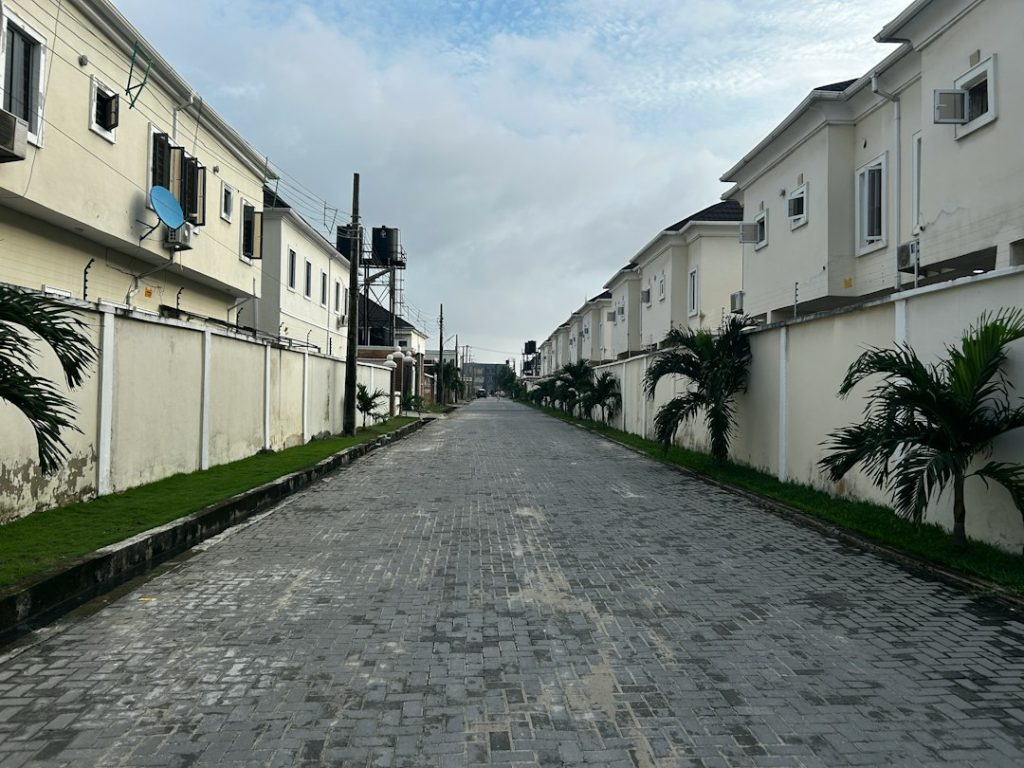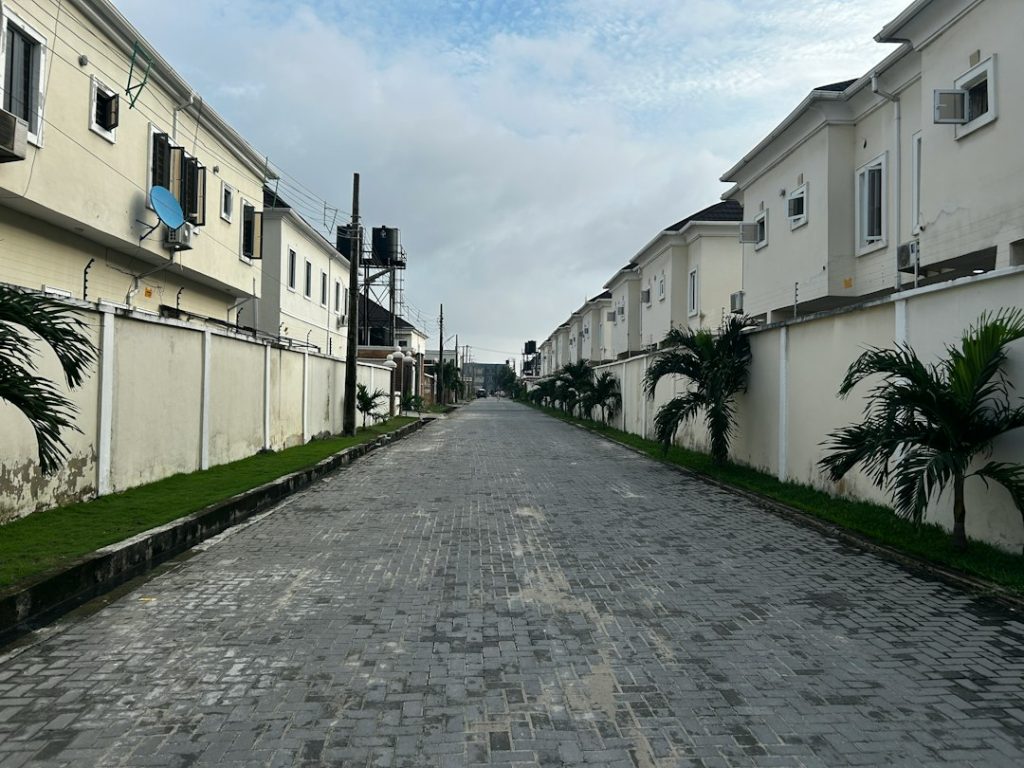
For many homebuyers and renters in Nigeria, a gated estate can offer a combination of managed access, shared facilities and a more organised residential environment. But not every gated community provides the same level of security, maintenance or value. Before choosing a house or apartment, it is worth looking beyond the gate and checking how the estate operates day to day.
This guide explains the potential advantages of gated community living, the questions to ask before committing, and how to compare estates in cities such as Lagos, Abuja, Enugu, Port Harcourt and other growing urban areas.
What is a gated community?
A gated community is a residential development with defined entry points and some form of access control. Depending on the estate, this may include a staffed gate, visitor registration, perimeter fencing, security patrols, CCTV, shared roads or communal facilities. The arrangements vary widely, so the label alone should not be treated as proof that a property or neighbourhood is secure.
Potential benefits of living in a gated estate
1. Managed access and security arrangements
Controlled entry can make it easier to monitor visitors and coordinate security. When comparing estates, ask how guards are trained, whether visitor records are maintained, how incidents are reported, and who is responsible for maintaining lights, gates and other security equipment. No system can eliminate risk, so consider the wider neighbourhood and your own security needs too.
2. Shared infrastructure and maintenance
Some estates maintain internal roads, drainage, waste collection, landscaping, water systems or backup power arrangements. These services can make daily life more convenient when they are reliable and properly funded. Inspect the infrastructure in person and ask residents whether maintenance requests are handled promptly.
3. Amenities and community life
Depending on the development, shared facilities may include playgrounds, green spaces, a gym, a pool or a clubhouse. Check which facilities are actually completed and available, whether residents pay extra to use them, and how opening hours and upkeep are managed. Marketing images may show planned facilities that are not yet operational.
4. A residential setting for families
Some households value internal streets with limited through-traffic, communal outdoor areas and clear estate rules. Visit at different times of day to assess traffic, noise, lighting and how children and pedestrians use the shared spaces. Consider proximity to schools, healthcare, shops and public transport as well.
5. Possible appeal to future buyers or tenants
A well-maintained estate with useful amenities may appeal to some future buyers and tenants. However, property values are not guaranteed to rise faster simply because a home is inside a gated community. Purchase price, location, construction quality, infrastructure, demand and ongoing fees all influence value and resale prospects.
Costs to understand before you move in
In addition to rent or the purchase price, some estates charge service fees or homeowners’ association contributions. These may cover security, cleaning, landscaping, waste collection, shared electricity, water or facility maintenance. Ask for the current fee schedule in writing, what each charge covers, how often it can change, and whether there are outstanding assessments or arrears attached to the property.
Compare the total cost with similar homes outside the estate. A lower advertised price can become less attractive if service charges are high, while a higher fee may be reasonable when services are transparent and consistently delivered.
How to choose the right gated community
- Location: Check commute times, access roads, schools, hospitals, shops and transport links.
- Security: Ask about access control, staffing, lighting, emergency procedures and maintenance of security equipment.
- Infrastructure: Inspect roads, drainage, water supply, waste management, electricity arrangements and internet coverage.
- Estate rules: Read the rules on visitors, parking, pets, renovations, noise and use of shared facilities.
- Service charges: Request written details of fees, payment schedules, management responsibilities and recent increases.
- Construction quality: Inspect the house carefully and arrange an independent professional inspection if needed.
- Resident feedback: If possible, speak with current residents about security, management responsiveness and recurring problems.
Buying a house in a gated community: due diligence matters
Before paying a deposit or signing a purchase agreement, engage an independent Nigerian property lawyer to verify the seller’s authority and investigate the property title with the relevant state authorities. Depending on the property, checks may involve title documents, survey information, planning approvals, registration records and applicable consent requirements. The process varies by state and by the property’s history.
Confirm the plot boundaries, permitted use and whether there are disputes, restrictions or unpaid obligations that could affect the purchase. Do not rely only on brochures, verbal assurances, photocopies or claims made by an agent or developer. Keep written records of the agreed price, fees, payment milestones and what will be handed over at completion.
Questions to ask the estate manager or developer
- Who manages the estate and who is accountable for shared services?
- What is included in the service charge, and can residents review the accounts or budget?
- Which advertised amenities are completed and operating today?
- How are security incidents, outages and maintenance requests handled?
- Are there planned construction works or future phases that may affect residents?
- What rules apply to renovations, visitors, parking and renting out the property?
Is a gated community right for you?
A gated estate may suit people who value managed access, shared infrastructure and communal facilities. It may be less suitable if the service fees are unaffordable, the rules are restrictive, the location creates a difficult commute or management does not maintain the promised services. Compare several properties and judge each estate by what you can verify, not by the gate or marketing language alone.
Final thoughts
Gated community living in Nigeria can offer practical advantages, but the experience depends on the quality of management, the condition of shared infrastructure, transparent fees and the specific property. Visit the estate, ask detailed questions, speak to residents where possible, and obtain independent legal and building advice before making a commitment.
This article is for general information only and does not constitute legal, financial or property-investment advice. Requirements vary by state and transaction.