
A property viewing is an opportunity to test whether a home matches its description and whether further investigation is justified. It is not a substitute for a professional building survey or legal title search, but a structured visit can help a buyer identify warning signs before spending money on a transaction.
Prepare before you arrive
Ask the agent or seller for the property address, type of tenure, asking price, age of the building, available title documents and details of any outstanding work. Confirm whether the property is occupied and whether the person arranging access has authority to show it. Bring a phone for photographs, a notebook and a list of questions. Obtain permission before photographing private belongings or occupied areas.
Inspect the structure and finishes
Walk through each accessible room and look for cracks, uneven floors, sagging ceilings, water stains, peeling paint and doors or windows that do not close properly. Not every crack means a serious structural defect, but wide, growing or diagonal cracks, visible movement and repeated water penetration deserve professional assessment. Look behind curtains and furniture where possible, without moving personal items without permission.
Check roofs, ceilings and wet areas
Examine ceilings for stains, swelling or fresh patches that may conceal leaks. Inspect bathrooms, kitchens, balconies and laundry areas for damaged tiles, loose fittings, poor falls to floor drains and failed sealant. Run taps where permission is given and observe water pressure, drainage and signs of leakage below sinks. Ask when the roof and waterproofing were last repaired and request supporting records if major work is claimed.
Test utilities and essential services
Ask how electricity is supplied and what backup arrangements exist. Check the condition of visible sockets, switches and the distribution board, but do not open electrical equipment or touch exposed wiring. Find out whether water comes from a public supply, borehole, tanker or another source, and how it is stored and treated. Ask about refuse collection, sewage disposal, internet options and any shared equipment maintenance.
Look beyond the building
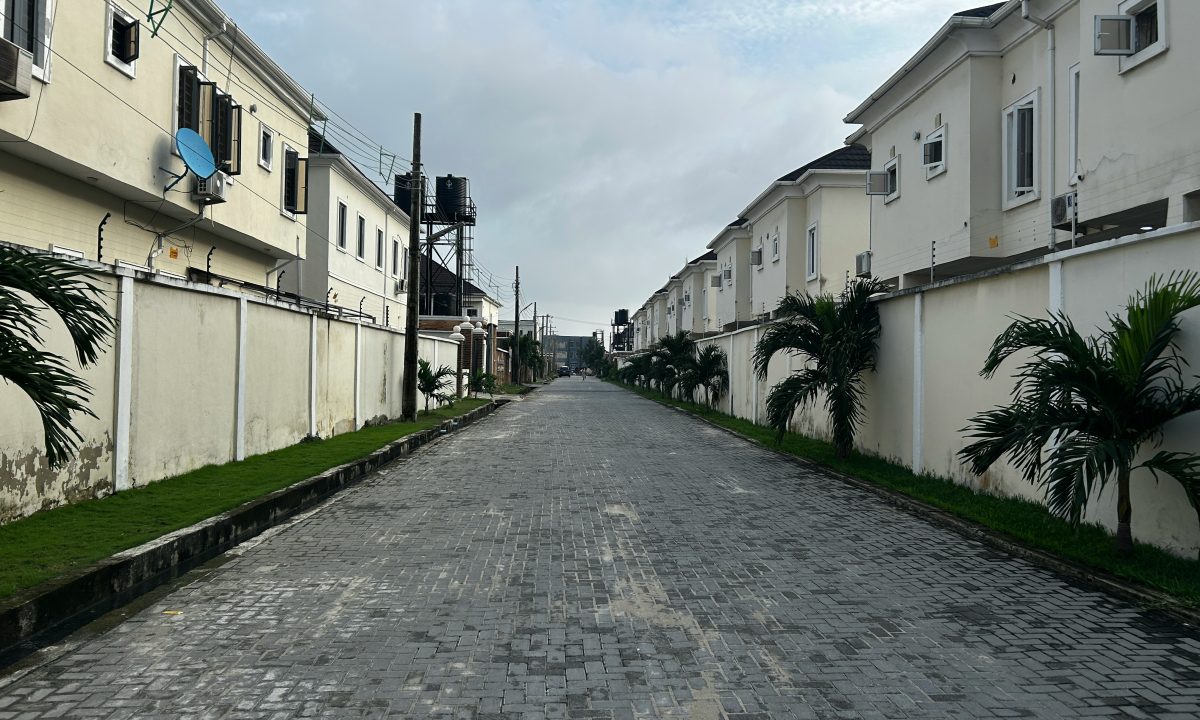
Visit the access road and surrounding streets. Observe drainage, road condition, street lighting, noise, traffic, nearby commercial activity and the distance to everyday services. If possible, return at a different time of day and after rainfall. A property may appear quiet during a short daytime viewing but have different noise, parking or access conditions in the evening.
Ask about costs and restrictions
For a house or flat in an estate or managed block, request a written breakdown of service charges, security contributions, generator costs, water charges, waste fees and planned major repairs. Ask whether there are arrears and how charges are reviewed. Clarify parking allocation, visitor access, renovation approvals, pet rules and any restrictions on letting or business use.
Keep legal checks separate from visual inspection
A sound-looking building can still have title or ownership problems. Request copies of the documents available for the property, which may include a registered deed, Certificate of Occupancy, survey plan, approved building plans or allocation records depending on the transaction. An independent property lawyer should verify the root of title, seller’s authority, encumbrances, land-use status and relevant registry records. Do not rely only on photocopies supplied by the seller or verbal assurances from an agent.
Record findings and decide on next steps
- Photograph defects and note their exact location.
- List missing documents and unanswered questions.
- Request a professional building inspection where defects or alterations require assessment.
- Obtain written estimates for significant repairs before calculating your offer.
- Ask your lawyer to review the transaction documents before paying a deposit.
After the visit, separate urgent concerns from routine maintenance and cosmetic preferences. If the seller refuses reasonable access, will not identify the legal owner or pressures you to pay before checks are complete, pause the transaction. A careful viewing does not guarantee a trouble-free purchase, but it gives you a clearer basis for deciding whether to proceed with independent technical and legal checks.
Image credit: Mac Nzombola / Unsplash.