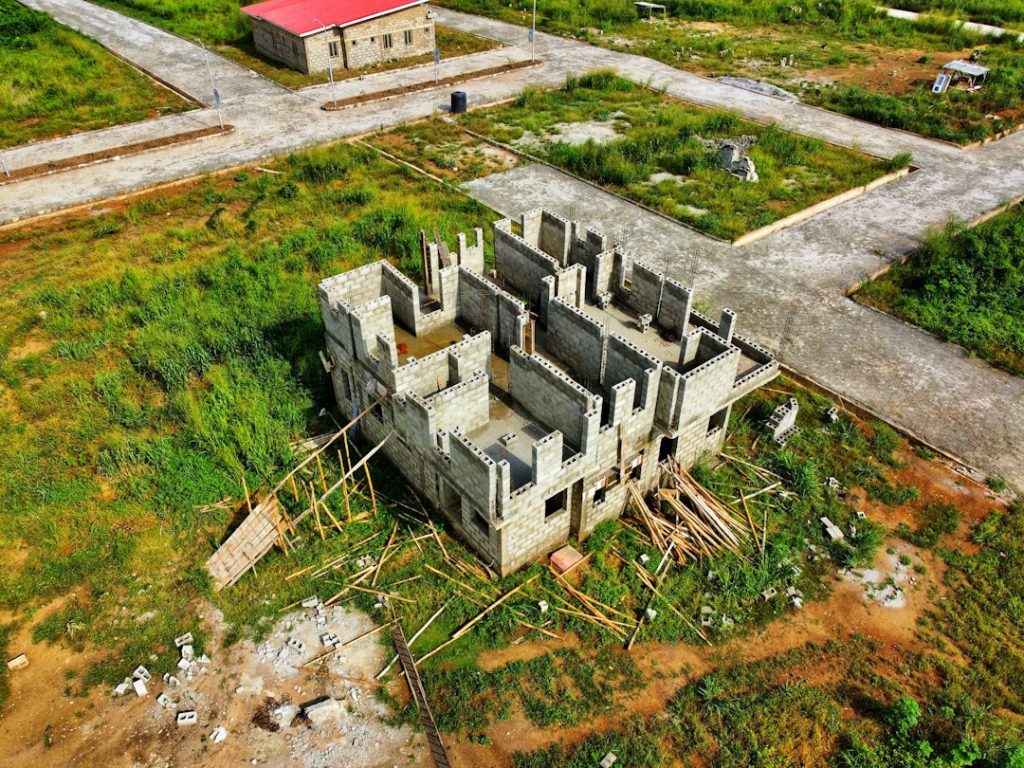
There is no single price for a house in Nigeria. The amount a buyer may pay depends on the city, neighbourhood, property type, construction quality, title documentation, infrastructure and current market conditions. Any price guide should therefore be treated as a starting point for research, not a substitute for current local quotations.
What influences a property’s price?
- Location: Access to jobs, roads, schools, healthcare and commercial centres can affect demand.
- Property type and size: A flat, terrace, semi-detached house and detached home have different land and construction requirements.
- Condition: Newly completed homes and properties requiring major repairs should not be compared as if they were equivalent.
- Infrastructure and services: Drainage, water, electricity, roads, security and estate maintenance can influence both value and ongoing cost.
- Documentation: Title quality, planning approvals and unresolved disputes can materially affect risk and transaction cost.
Compare like with like
Collect several recent listings for similar homes in the same area. Record the asking price, floor area, land size, condition, included fittings and service charges. Confirm whether the advertised price is negotiable and whether the property is completed, under construction or off-plan. Asking prices are not necessarily final sale prices.
Be careful with dollar conversions
Converting a naira price into US dollars can be misleading if the exchange rate, conversion date and rate source are not stated. If you are budgeting in another currency, record the rate and date used and allow for exchange-rate movements and bank charges. Do not rely on old USD price tables for a current purchase decision.
Budget beyond the purchase price
Include independent legal advice, title searches, surveys, building inspection, applicable transaction charges, repairs, furnishing and recurring maintenance. For an estate property, ask for a written schedule of service fees and what those fees cover.
Verify before paying
Use an independent Nigerian property lawyer to investigate the seller’s authority and title through the relevant state process. Confirm boundaries and planning status, inspect the property in person and ensure the agreement describes the payment terms and documents to be delivered. Avoid transferring a deposit based only on photographs or verbal promises.
Conclusion
The best way to estimate a house price is to compare current, similar properties and calculate the full cost of ownership. Because markets and exchange rates change, verify every figure close to the date of your transaction and obtain independent professional advice.
This article is general information, not a valuation, legal opinion or financial advice.