Real estate investors in Nigeria can consider several approaches, from long-term residential rentals to land, commercial property or pooled investment vehicles. None is guaranteed to produce a profit. A sound decision starts with a clear objective, realistic numbers and an understanding of how easily an investment can be sold or managed.
Residential rental property
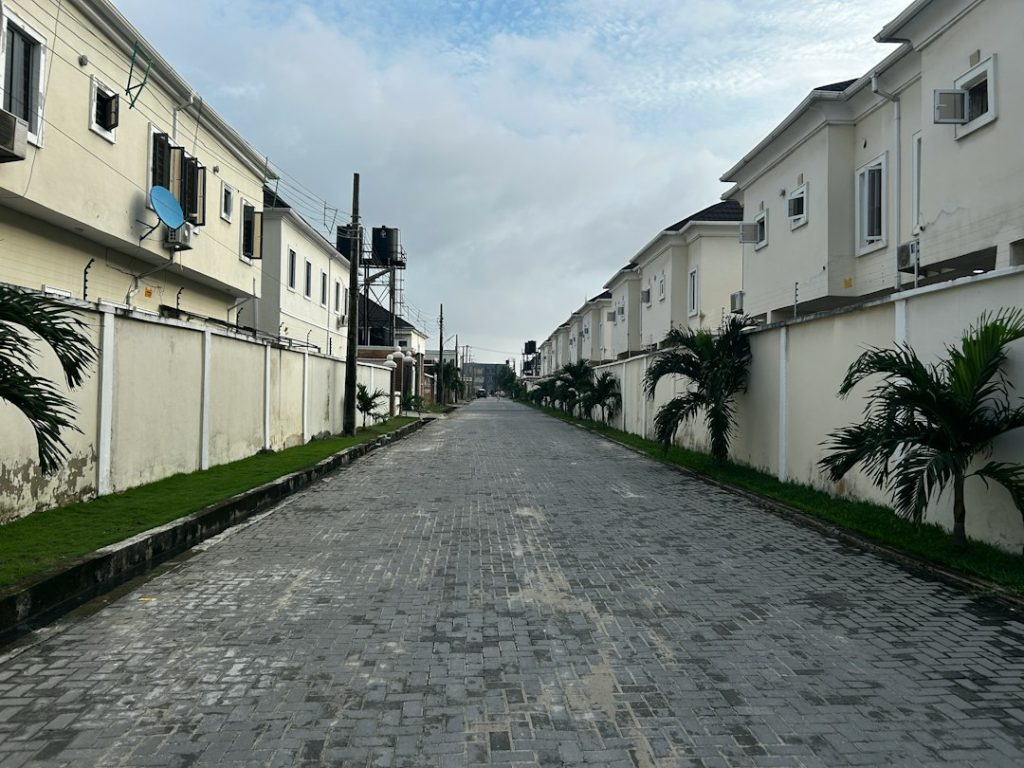
Rental homes may generate recurring income, but results depend on tenant demand, purchase price, vacancy, repairs, management, insurance where available, taxes and service charges. Estimate net income after expenses rather than comparing investment options using rent alone.
Land investment
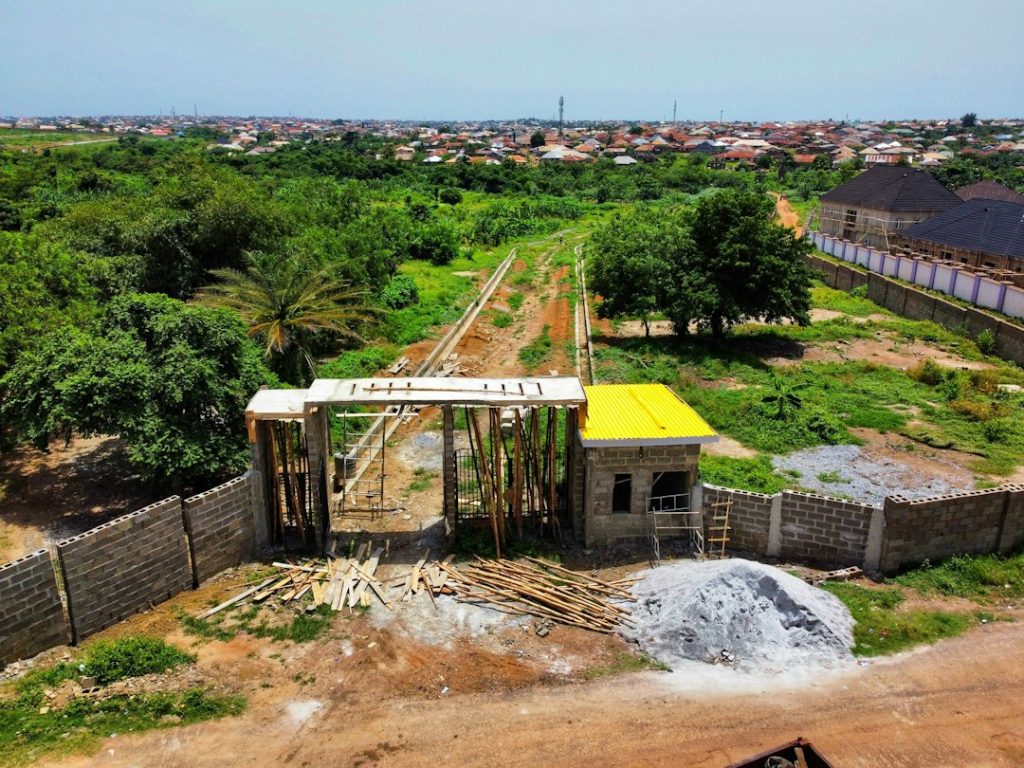
Land may appeal to buyers seeking a longer holding period or future development. It can also be illiquid, produce no income while held and carry title, access, planning or infrastructure risks. Verify title and boundaries and investigate whether the intended use is permitted before buying.
Commercial property
Retail, office, storage and other commercial properties can have different tenant requirements and lease structures from residential homes. Assess the local business environment, tenant concentration, fit-out needs, lease obligations and the cost of keeping the property suitable for use.
Renovation and redevelopment
Buying a property to improve it requires accurate estimates of construction costs, approvals, contractor performance, contingency funds and the time needed to complete work. A project that appears profitable before repairs may become uneconomic after delays or unexpected defects.
Pooled real estate investments
Some investors prefer professionally managed vehicles rather than direct ownership. Before investing, examine the legal structure, fees, assets, valuation method, redemption or resale rules, governance and risks. Verify that the provider is properly authorised where required and understand that returns are not assured.
How to compare opportunities
- Set a target: income, long-term growth, personal use or diversification.
- Calculate all acquisition, financing, maintenance and disposal costs.
- Test the numbers under lower rent, vacancies, higher repairs or slower resale.
- Check title, permits, contracts and counterparty credentials independently.
- Consider how much time and specialist management the investment requires.
- Avoid concentrating money you cannot afford to lose in one illiquid asset.
Conclusion
Investment quality depends on the price paid, the asset’s condition and location, the legal position, management and the investor’s time horizon. Compare several alternatives and seek independent legal, tax and financial advice before committing funds.
This article is educational and does not recommend a specific investment or guarantee returns.