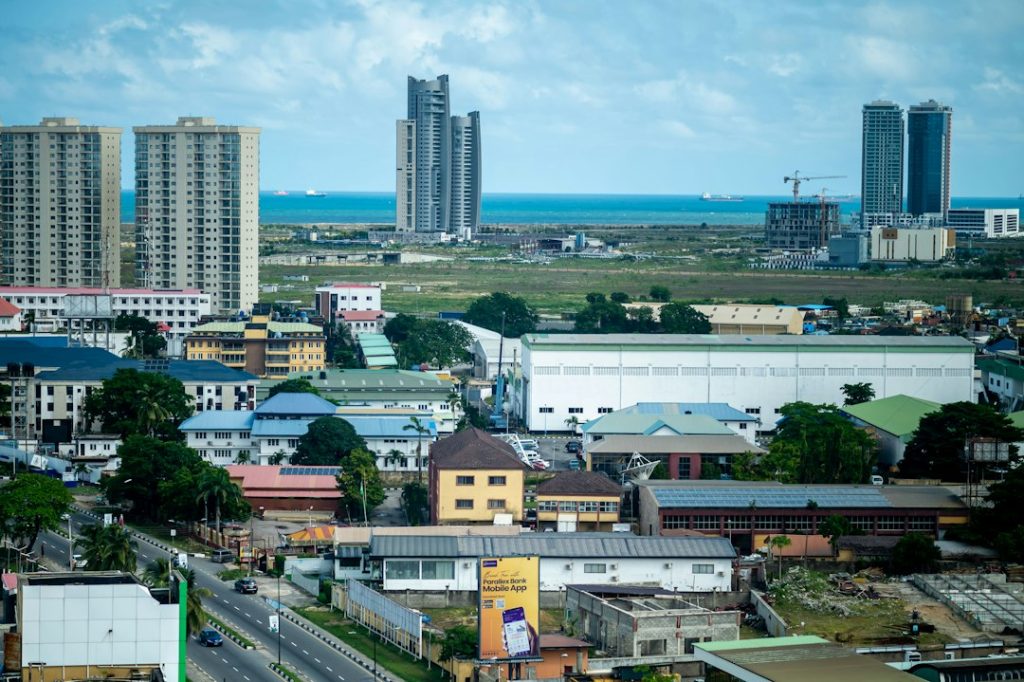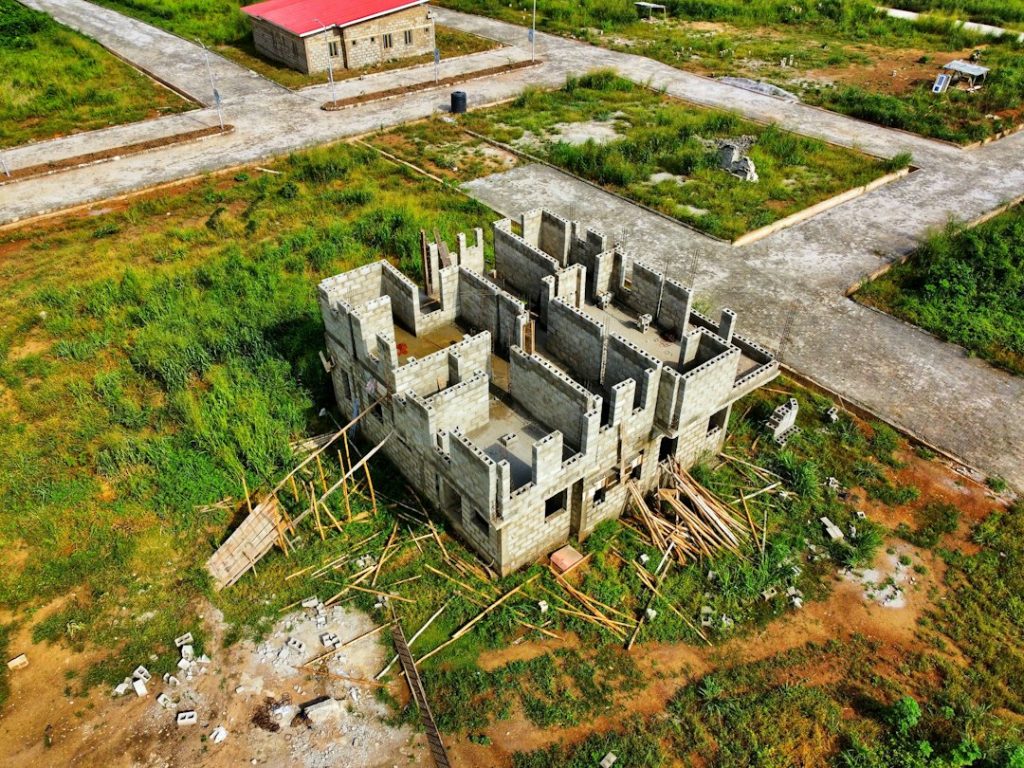
Nigeria’s property market is entering the final quarter of 2026 with a clear tension: demand for homes remains substantial, but affordability and development costs are pushing buyers, tenants and investors to make more selective decisions. Recent market reports point to opportunities in rental housing and well-connected locations, while reminding buyers to check asking prices against local evidence before committing.
What current market indicators are saying
Nigeria Property Centre’s Q4 2026 asking-price report, covering listings from 1–19 October, puts the nationwide median advertised sale price at ₦320 million and median advertised rent at ₦13 million per year. Its figures are based on property listings, not a census of completed transactions, so they should be treated as market indicators rather than the price every buyer or tenant should expect to pay.
The report also highlights wide differences by location and property type. Abuja recorded the highest median asking price among the states covered, while advertised land prices varied sharply between areas. Such variation makes local comparisons more useful than relying on a single national figure.
Affordability is shaping demand
Recent reporting on the Nigerian market points to rising residential costs and a shift in demand toward smaller homes and more affordable locations. In Lagos, interest extends beyond prime districts as households weigh rent against commuting costs and access to work. In Abuja and Port Harcourt, demand and pricing also differ substantially between neighbourhoods and property segments.
For tenants, the headline rent is only part of the cost. Agency and legal fees, service charges, power, water, security and transport can change the real monthly budget. Ask for a written breakdown of all charges and confirm the tenancy terms before paying.
What buyers should check before committing
- Compare like with like: Review several properties in the same neighbourhood with similar size, condition and access to services.
- Verify title and ownership: Have a qualified property lawyer check title documents, encumbrances, survey details and the seller’s authority to transact.
- Inspect infrastructure: Check road access, drainage, water supply, electricity, security and the area’s condition during heavy rain where possible.
- Budget for the full transaction: Include legal, survey, registration, agency, renovation and ongoing maintenance costs.
- Be cautious with off-plan projects: Review the developer’s track record, approvals, construction milestones, payment schedule and written remedies for delays.
Where investors may find more resilient opportunities
Rather than assuming every property will appreciate, investors should focus on demonstrable demand and the costs required to maintain an asset. Rental homes priced for the local income market, properties near reliable transport and employment, and industrial or logistics spaces with identifiable tenants may warrant closer analysis. Infrastructure announcements alone do not guarantee that a specific plot or building will rise in value.
Estimate net rental income after vacancies, repairs, service costs, taxes and management fees. Compare that figure with the total acquisition cost, and stress-test the numbers for delayed occupancy or unexpected repairs. Property investment carries legal, liquidity and market risks, and returns are not guaranteed.
Outlook for the rest of 2026
The market is likely to remain location-specific. Buyers who verify documents and compare total costs can make better-informed decisions, while developers may need to match unit sizes and prices more closely to what households can afford. For sellers and landlords, transparent pricing and a property in good condition may help attract serious enquiries in a selective market.
Data note: The market figures in this article are advertised asking prices and should not be interpreted as confirmed sale or rental transaction prices. Check the underlying reports and seek independent professional advice before making a property decision.
Sources
- Nigeria Property Centre — Nigeria Property Market Report, Q4 2026
- The Guardian Nigeria — Report unveils key trends reshaping property market (20 October 2026)
- Daily Trust via allAfrica — Nigeria: Rent Projected to Rise in Q4 2026 (12 October 2026)
Image credit: Batto Creative via Unsplash.