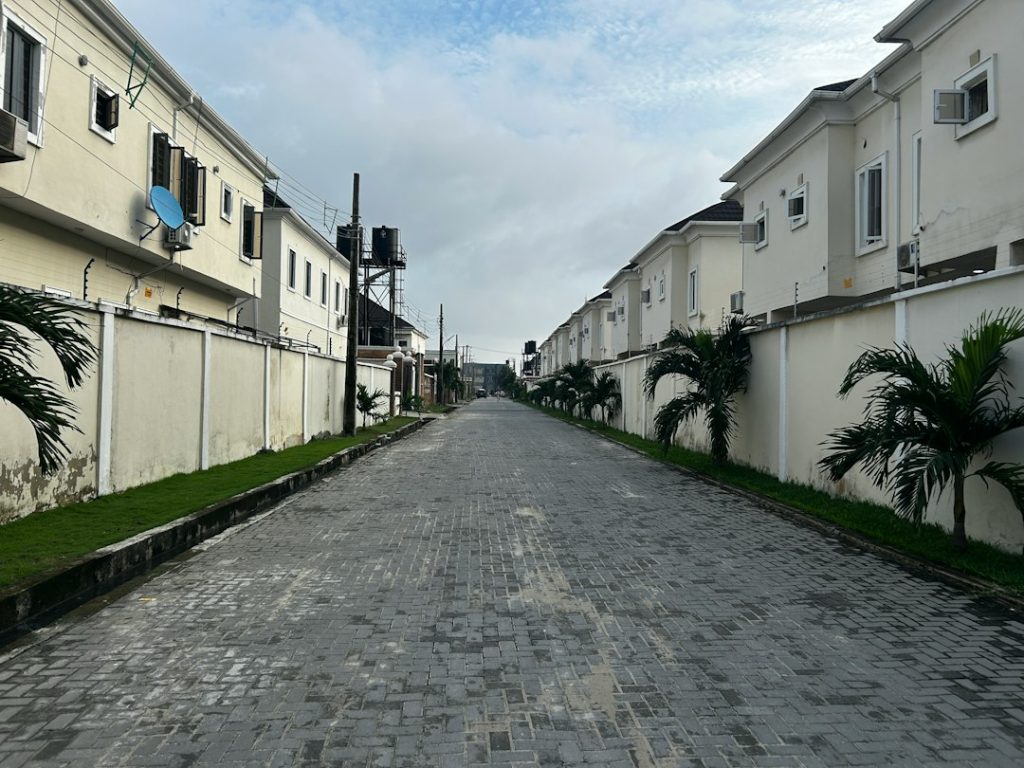
Buying a home in Nigeria is easier to plan when you look beyond the asking price. The real cost includes legal checks, documentation, professional fees, moving expenses and the money you may need for repairs after taking possession. A clear budget helps you compare properties fairly and reduces the risk of committing to a purchase you cannot comfortably complete.
1. Start with the full purchase cost
Write down the seller’s price, but treat it as only the starting point. Ask which fees are included and which are payable separately. Depending on the property and transaction, you may need to budget for legal services, title searches, survey work, valuation, registration and other applicable charges. Requirements and costs vary by state and by the type of property, so confirm them with qualified local professionals before paying.
2. Verify the property before making a major payment
Do not let a low price or pressure from a seller replace due diligence. Ask an independent property lawyer to review the title documents and investigate whether the seller has the legal authority to transfer the interest being offered. Where relevant, verify the survey, planning status, encumbrances and records with the appropriate land registry or government office.
Keep copies of receipts, agreements and correspondence. Make sure the description of the property, parties, payment milestones and conditions for completion are written clearly into the agreement. Avoid relying solely on verbal assurances or documents supplied without independent checks.
3. Include professional and administrative fees
Ask each professional for a written estimate before work begins. A lawyer, surveyor, valuer or other specialist may charge separately, and some payments may fall due earlier than expected. Confirm what each fee covers, whether taxes or official charges are additional, and what happens if the transaction does not proceed.
4. Plan for repairs and move-in costs
A property that looks ready during a viewing may still need plumbing, electrical, roofing, painting, security or water-system work. Inspect it carefully and, when appropriate, arrange an independent assessment. Estimate essential repairs separately from upgrades you can postpone.
Also allow for moving, utility connections, basic furniture and any community or estate charges that apply. For an apartment or gated development, ask for written details of recurring service charges and what they cover.
5. Keep an emergency reserve
A budget that uses every available naira leaves little room for delays or unexpected expenses. Set aside a reserve that fits your income and obligations, and keep it separate from the money earmarked for the purchase. If you are borrowing, stress-test your plan against higher repayments, changes in income or a longer-than-expected completion process.
6. Compare properties on total cost, not price alone
Two homes with similar asking prices may have very different long-term costs. Consider transport, access roads, drainage, water supply, electricity arrangements, security, maintenance and the reliability of estate services. Visit the area at different times if possible and speak with residents about practical issues.
Make a simple comparison sheet with the asking price, estimated transaction costs, urgent repairs, recurring charges and key risks. Use verified estimates rather than guesses, and update the figures when new information arrives.
A practical checklist before you commit
- Confirm the seller’s identity and authority to sell.
- Have the title and relevant records independently checked.
- Get written estimates for professional and official fees.
- Inspect the building and estimate essential repairs.
- Understand recurring estate, utility and maintenance costs.
- Keep a reserve and retain receipts for every payment.
A realistic homebuying budget is not just a spreadsheet: it is a decision-making tool. By verifying documents, asking for itemised costs and allowing for life after completion, buyers can make better comparisons and approach negotiations with more confidence. Because property rules and fees differ across Nigeria, seek advice from qualified professionals familiar with the specific state and transaction.