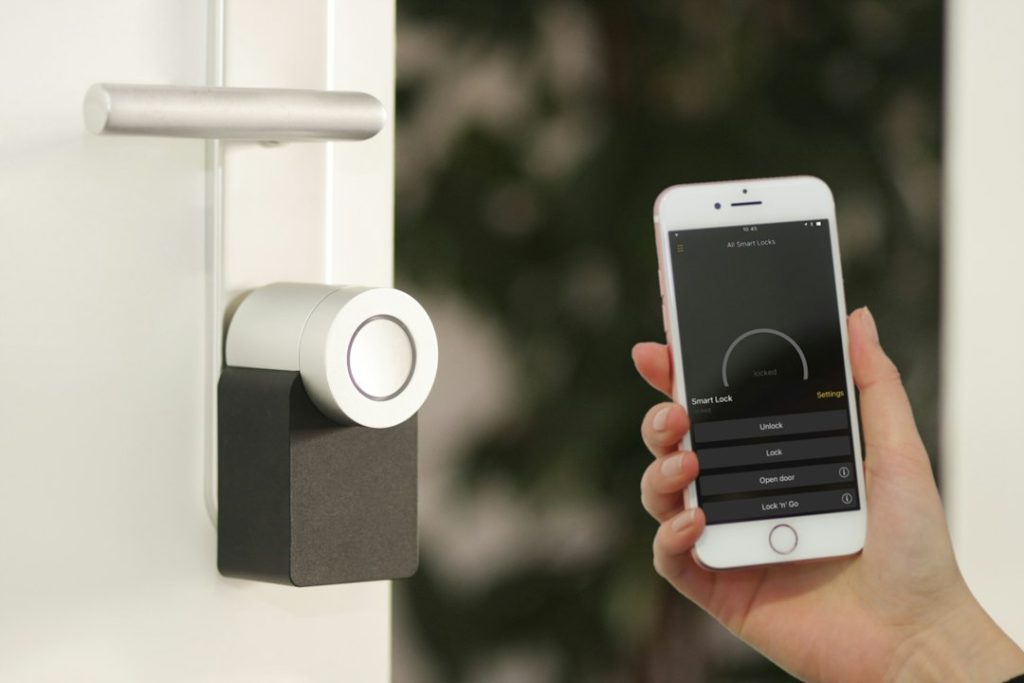
Smart-home technology can make some household tasks easier, but the most useful system is one that fits the home’s power supply, internet reliability, budget and occupants’ needs. Connected devices should be selected for practical value and security rather than novelty alone.
Start with a real household need
Common options include smart lighting, door sensors, cameras, smart locks, energy monitors, thermostats where suitable, and controls for selected appliances. Decide which problem each device should solve and whether a simpler non-connected product would do the job just as well.
Check power and connectivity
Confirm that devices work with the household’s electrical setup and available network. Consider what happens during a power cut or internet outage: can a door still be opened safely, can essential lights be operated manually, and will the system recover without specialist help? Battery life and replacement costs matter too.
Protect privacy and accounts
- Change default passwords and use unique credentials.
- Enable multi-factor authentication where available.
- Install firmware and security updates promptly.
- Review camera placement and avoid recording private spaces unnecessarily.
- Check who can access shared accounts and how access is revoked when a tenant or worker leaves.
- Buy from reputable vendors and review their support and data policies.
Plan the total cost
Budget for devices, installation, compatible hubs, batteries, replacement parts, data use and any subscription fees. Confirm whether equipment can work locally if a cloud service is unavailable or a subscription ends. Avoid assuming that every device from the same brand will work together.
For landlords and property managers
Connected locks, leak sensors and energy monitoring may help with property management, but tenants should understand what is installed, what data is collected and who controls access. Any system should comply with applicable privacy and tenancy requirements and should not create unsafe dependence on a single app or network.
Conclusion
Choose smart-home features for reliability, accessibility and measurable usefulness. Prioritise safe installation, strong account security and manual backup options, and expand gradually after testing the first devices.
This article is general information. Electrical work and security installations should be handled by appropriately qualified professionals.