
A property viewing is often arranged around a convenient appointment, and the seller may be keen to highlight the best features of the house. Buyers should use that visit to ask practical questions and record what they observe. A short viewing cannot replace a professional building survey, but a systematic inspection can reveal issues that deserve further investigation before money changes hands.
Bring a notebook, phone camera, torch and a simple checklist. Ask permission before testing fittings or opening service panels. If you are seriously considering the property, arrange a second visit with an independent building professional and, where appropriate, a registered surveyor.
Start outside the building
Look at the site’s general condition. Check whether the ground slopes towards or away from the building, whether drains are open and whether there are signs of standing water, erosion or repeated flooding. Ask neighbours about what happens during heavy rainfall. Fresh paint near the bottom of walls may conceal damp, so look for bubbling, salt deposits, mould or a persistent musty smell.
Inspect visible roof edges, gutters, downpipes, fascia boards and external walls. Look for cracked render, exposed reinforcement, rust stains, displaced roof sheets or damaged flashing. These observations do not establish the cause of a defect, but they help identify where a specialist should focus.
Check walls, floors and ceilings
Inside, look for cracks around windows, doors, beams and columns. Note whether a crack appears superficial or whether it is wide, growing, diagonal or accompanied by sticking doors and uneven floors. Do not assume every crack means structural failure, but do not dismiss significant movement without professional assessment.
Look for damp patches, peeling paint, mould, ceiling stains and warped skirting. Check whether floors feel unusually uneven or whether tiles are loose and hollow-sounding. In a multi-storey building, pay attention to water marks around bathrooms and service shafts, which may indicate leaks from another floor.
Test plumbing and drainage
Turn on taps where permitted and observe water pressure, colour and smell. Flush toilets and check whether cisterns refill properly. Run showers briefly and look for slow drainage, leaks under sinks and water escaping around fittings. Ask about the water source, storage tanks, treatment arrangements and frequency of supply.
Find out where wastewater goes and whether the property is connected to a public sewer or uses a septic system or another arrangement. Ask when the system was last inspected or serviced. Do not assume that a working tap proves the whole plumbing system is in good condition.
Review electrical safety
Check that switches and sockets are securely fitted and that there are no exposed wires, scorch marks or improvised connections. Ask whether the installation has been inspected by a qualified electrician and whether the distribution board is labelled. A visual viewing cannot confirm that wiring is safe or correctly sized.
Ask how the property receives power and what backup systems are installed. If there is an inverter, battery bank, solar installation or generator connection, request specifications and maintenance records. Have a qualified electrician assess the system before purchase if its condition or capacity is important to you.
Inspect doors, windows and ventilation
Open and close doors and windows to check operation, locks, hinges and visible gaps. Look for corrosion, damaged frames, broken seals and signs of water entry. Consider how rooms receive daylight and cross-ventilation. Poor airflow can make rooms uncomfortable and contribute to condensation or mould.
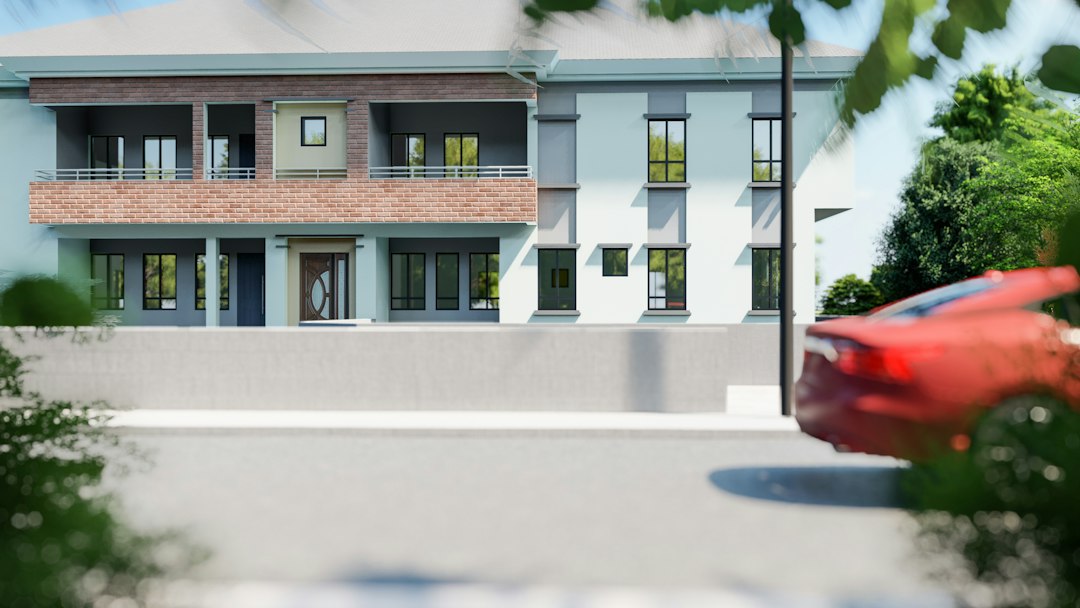
Check the condition of mosquito screens, security fittings and balcony railings. If the property has a balcony, inspect the visible condition of the floor, drainage and guardrails, and ask a professional to assess any concern about safety or structural integrity.
Ask about approvals, alterations and maintenance
Ask for available building plans, approvals, completion records and information about major repairs. If rooms have been added, walls removed or balconies enclosed, ask whether the work was approved and whether it was designed and supervised by qualified professionals. Unapproved alterations may create safety, insurance or resale problems.
For a flat or estate property, request information about service charges, sinking funds, shared facilities, generator maintenance, water systems, security and outstanding levies. Ask who is responsible for repairs and how residents report problems.
Inspect the neighbourhood and access
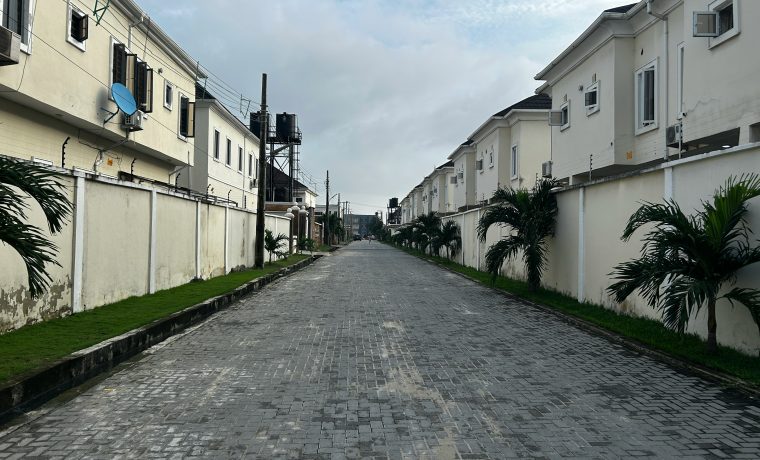
Visit at more than one time of day. Observe traffic, noise, street lighting, waste collection, nearby commercial activity and the condition of access roads. Check the journey to work, schools, healthcare and shops. If the street becomes difficult to access in the rainy season, the property may not be as convenient as it first appears.
Turn observations into a professional report
Photograph visible issues and make a list of questions. Ask an independent building surveyor or engineer to assess significant cracks, roof defects, damp, drainage, retaining walls and structural alterations. A registered surveyor can help confirm boundaries and the relationship between the physical site and the survey plan. A lawyer should separately verify title and transaction documents.
Request written estimates for major repairs before negotiating. Some defects may be manageable, while others could make the property unsuitable or require a price adjustment. Avoid relying on a contractor chosen by the seller to provide the only assessment.
Final inspection checklist
- Site levels, drainage, roof and external walls.
- Cracks, damp, ceilings, floors and signs of movement.
- Water supply, plumbing, toilets and wastewater arrangements.
- Electrical installation and backup-power equipment.
- Doors, windows, ventilation and balcony safety.
- Building approvals, alteration history and maintenance records.
- Estate charges, shared services and neighbourhood access.
- Independent technical, survey and legal checks.
A careful inspection is about identifying questions, not pretending to diagnose every defect during a viewing. Record what you see, obtain specialist advice where needed and make your purchase decision only after the physical condition, title and total cost are understood.
Image credit: Ferdinand Asakome / Unsplash.