

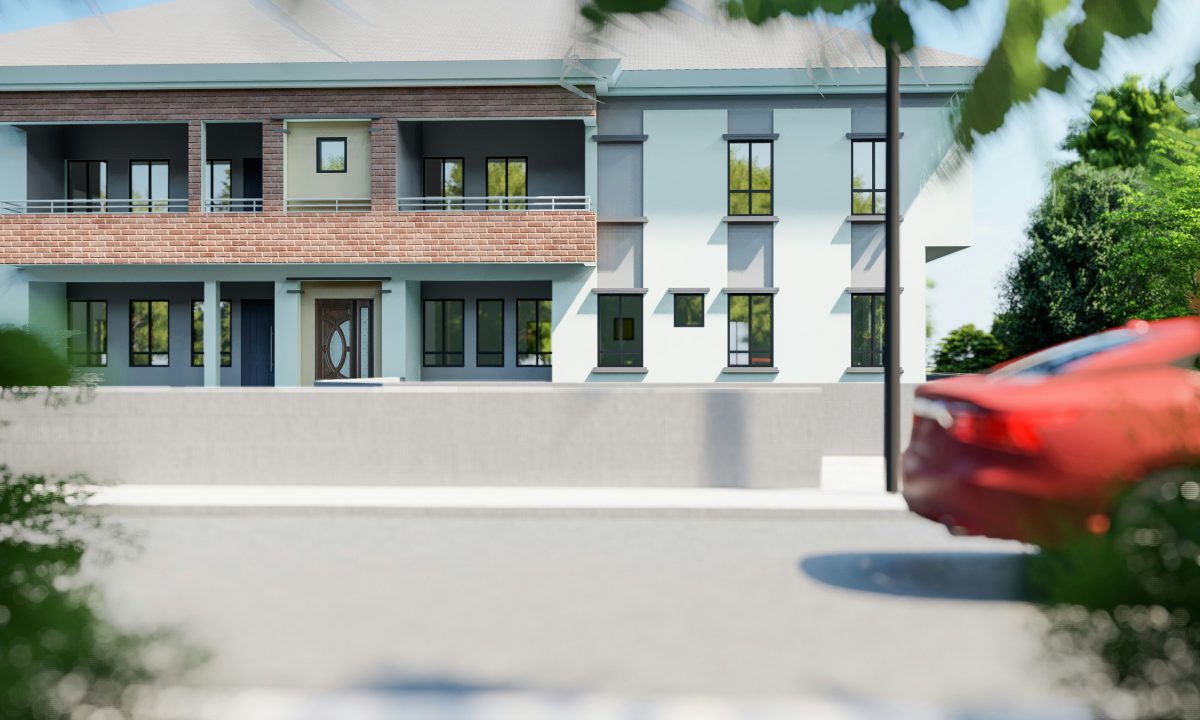
Finding a suitable rental home is only the first part of the process. Before paying, a tenant should understand the full cost of moving in, who is authorised to let the property and what the tenancy agreement requires from both sides. Clear questions at the viewing stage can prevent disputes about fees, repairs, utilities and access after the tenancy begins.
Who is authorised to let the property?
Ask whether you are dealing directly with the owner, a property manager or an agent. Request the owner’s name and clarify the agent’s authority to market the property and collect money. Where possible, verify the identity of the person signing the agreement and confirm that the person has authority to grant the tenancy. Do not treat possession of keys or a social-media listing as proof of ownership.
What is the complete move-in cost?
Ask for a written breakdown of rent, agency fees, legal fees, caution deposit, service charge, security contribution, utility deposits and any other payment requested. Confirm the period covered by the rent and when the next payment will fall due. Ask which fees are refundable, what deductions may be made and the process and timing for returning a deposit. Do not rely on a single headline rent figure.
What does the rent include?
Find out whether water, waste collection, security, cleaning of common areas, generator operation or facility maintenance are included or billed separately. Ask how charges are calculated, who collects them and whether they can change during the tenancy. In a managed building, request the current service-charge schedule and ask whether there are outstanding contributions or planned works that may affect residents.
How are repairs handled?
Clarify who is responsible for routine maintenance and who pays for repairs to plumbing, electrical systems, roof leaks, water pumps, doors and appliances supplied with the property. Ask how to report an urgent fault, who may enter to carry out repairs and how quickly the landlord or manager normally responds. Make sure the agreement reflects the parties’ responsibilities rather than relying on an informal promise.
Are utilities reliable and safe?
Ask about the electricity supply, metering arrangement, backup power, water source, water storage, sewage system and refuse collection. If there is a shared generator, clarify its operating hours, fuel contributions and maintenance arrangements. Check taps, toilets, visible sockets, lights and drainage during the viewing. Any concern involving exposed wiring, persistent dampness or unsafe equipment should be assessed by a competent professional.
What are the tenancy rules?
Read the agreement for the start and end dates, renewal process, notice requirements, rent review provisions, permitted occupants, subletting restrictions, pets, parking, visitors and use of shared spaces. Ask whether you may install shelves, repaint, add security devices or make other changes, and whether written consent is required. Confirm the procedure for ending the tenancy and returning keys.
What is the condition of the property?
Inspect each room and record existing damage before moving in. Photograph stains, cracks, broken fittings, faulty appliances and meter readings where relevant. Ask for an inventory if furniture or appliances are included. Both parties should agree on the condition report and retain a copy. This makes it easier to distinguish pre-existing defects from damage that occurs during the tenancy.
How should payments be made and documented?
Use a payment method that creates a clear record and pay only to an account or recipient whose authority has been verified. Obtain a receipt identifying the property, amount, date, purpose and period covered. Keep copies of the tenancy agreement, inventory, correspondence and evidence of payments. Avoid cash payments without a proper receipt and do not transfer money simply because an agent says another applicant is waiting.
Pause if important answers are missing
Take time to review the agreement and seek independent advice if a clause is unclear. Local tenancy laws and procedures differ across Nigerian states, so do not assume that a rule described by an agent applies everywhere. If the proposed landlord refuses to provide basic identity or authority information, will not put charges in writing or pressures you to pay before the terms are clear, consider other options.
A good rental decision is based on more than location and appearance. By asking about authority, total costs, repairs, utilities, house rules and documentation, tenants can compare homes more fairly and enter an agreement with a clearer understanding of their responsibilities.
Image credit: Ferdinand Asakome / Unsplash.