

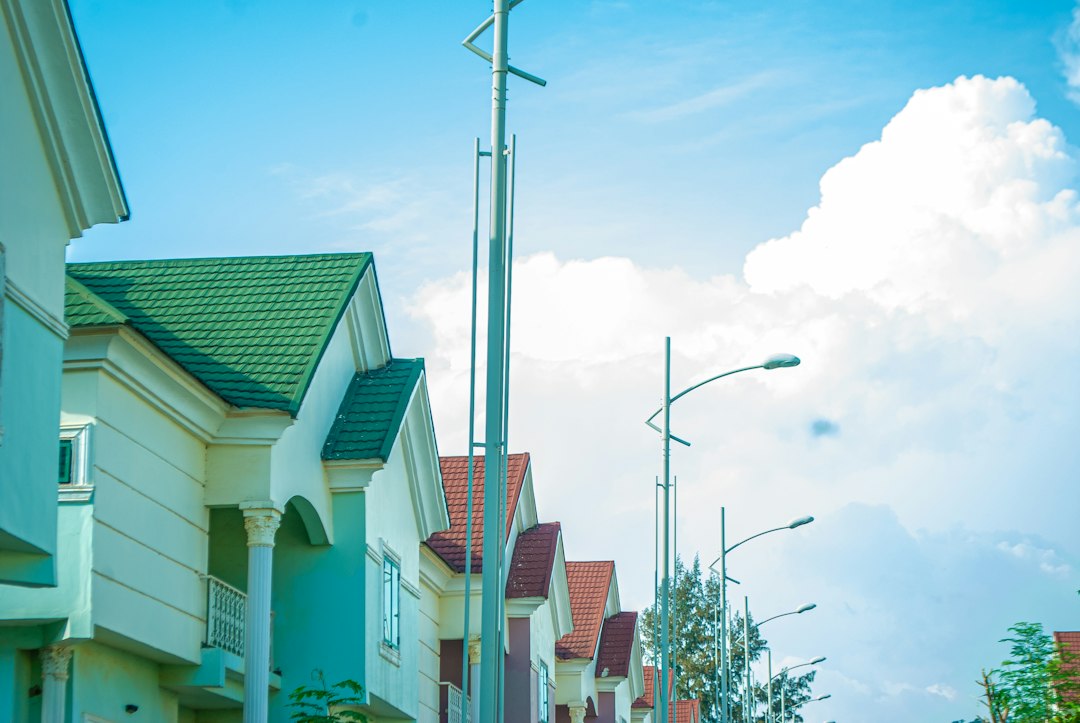
New property-listing data released in November offers buyers and tenants a useful snapshot of Nigeria’s housing market, but the figures need careful interpretation. Nigeria Property Centre’s October 2026 index, updated in November, shows substantial differences in advertised prices between states and between homes for sale and rent. The report draws on listings, not a complete record of completed transactions.
That distinction is important. An asking price tells you what a seller or landlord hopes to receive. It does not prove that a buyer paid that amount, that a tenant accepted the rent or that a property is currently available.
What the latest figures show
The Q4 2026 summary reports a national median advertised sale price of about ₦303.6 million and a median annual rent of about ₦12.77 million for the property types covered. Lagos and Abuja are among the highest-priced markets in the report, while states such as Enugu, Ogun and Edo show lower median rent figures. The numbers reflect the mix of homes advertised on the platform and should not be treated as a universal valuation for every neighbourhood.
A median is the midpoint of the listings in a dataset: half of the observations are above it and half below. It can be more informative than an average when a small number of very expensive properties would otherwise distort the result. Even so, a national median can conceal major differences between districts, building types, sizes and conditions.
Why location-level comparisons matter
A two-bedroom flat in a well-connected part of Lagos cannot be compared directly with a similar-sized home in a smaller city without considering transport, infrastructure, services and local demand. Even within one state, road access, drainage, security, power supply and proximity to employment can affect what buyers are willing to pay.
For this reason, buyers should compare several properties in the same neighbourhood and with similar features. A listing with a lower asking price may need significant repairs or may have less reliable access to utilities. A more expensive home may include facilities or service charges that change the total cost of ownership.
How buyers can use asking-price data
- Build a comparison set. Find at least three to five recent listings with similar size, condition and location.
- Separate asking prices from sale evidence. Ask local professionals whether they can provide verified transaction comparables.
- Check the property itself. Inspect the building and confirm its title, boundaries and planning status.
- Calculate the full cost. Include legal, agency, registration, renovation, service and maintenance expenses.
- Stress-test your budget. Consider whether you can still afford the property if repairs cost more or rental income is lower than expected.
What the numbers mean for tenants
Rental medians are not a quote for the home you want. Tenants should compare the rent with the actual condition and location of each unit, then add agency and legal fees, caution deposits, service charges, electricity, water and commuting costs. Ask for a written breakdown and confirm whether the advertised rent is annual, monthly or for another period.
Where a landlord asks for several years of rent in advance, tenants should understand the legal position in their state and review any proposed changes to rental rules. A headline about a bill or policy proposal should not be mistaken for a law that is already in force.
What investors should avoid
Investors should not assume that a rising asking-price index guarantees capital appreciation. A property can remain on the market for months, require expensive repairs or attract lower rent than the advertised figure suggests. Calculate net rental income after vacancy, maintenance, management, taxes and service costs. Consider how quickly the property could be sold if circumstances change.
Also be cautious about drawing conclusions from small samples. A state or property category with relatively few listings can show sharp month-to-month movements that do not represent the wider market.
A more useful way to read the market
Use national data to understand broad direction, state data to narrow your search and neighbourhood evidence to assess a specific property. Then verify the documents and inspect the asset independently. Good property decisions come from combining market context with transaction-level checks—not from relying on a single headline number.
Source: Nigeria Property Centre, Q4 2026 Nigeria Property Market Report, updated 9 November 2026. View the market report.
Market data is based on advertised listings and is not a guarantee of completed transaction prices or future returns.