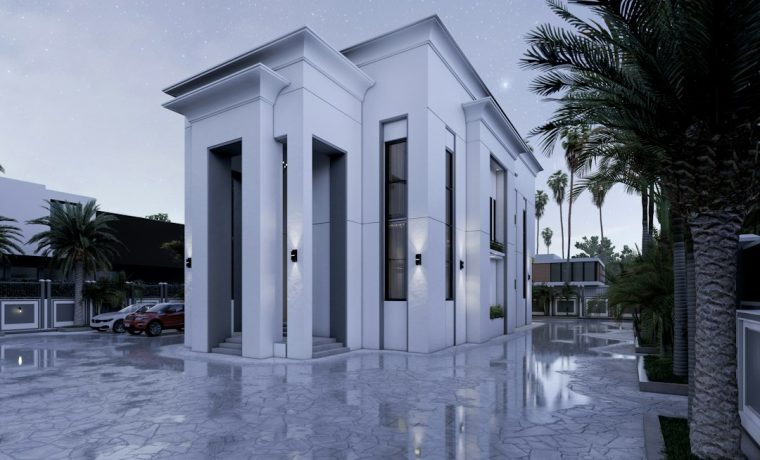


Mixed-use developments are an increasingly visible part of the conversation around premium property in Lagos. By combining residential, commercial and leisure spaces within a planned district, these projects aim to create an environment where people can live, work and access services without relying on a single-use residential estate.
In November 2026, the Lagos State Government commended the Louisville mixed-use development in Eko Atlantic during a site visit. The project is being undertaken by the TotalEnergies Staff Housing Cooperative Multipurpose Society. The announcement highlighted its financing structure, construction progress, safety standards and proposed facilities. For prospective buyers, the news is a reminder to examine the project itself rather than relying on the general appeal of a prestigious location.
Understand what “mixed-use” means for residents
A mixed-use project may include apartments, offices, retail outlets, hospitality spaces and shared leisure facilities. This can create convenience and support activity throughout the day. Residents may benefit from nearby services, while commercial tenants gain access to a built-in customer base.
However, different uses also create management questions. Buyers should understand how residential entrances are separated from commercial access, how deliveries are handled, where visitors park and how noise is controlled. A development that works well for offices may not automatically provide the privacy expected by residents.
Confirm the project’s current stage
Ask for a clear statement of what has been completed, what is under construction and what remains proposed. Request recent progress information and, where possible, inspect the site with an independent professional. Marketing images can illustrate a vision, but they do not establish that every facility or building will be delivered on the advertised timetable.
Check the approvals relevant to the property and its intended use. Have a lawyer review title, development rights, the seller’s authority and the contract. Ask for approved plans and specifications that identify the exact unit or commercial space being offered.
Review the financing and payment structure
Cooperative and developer-led projects may use different funding arrangements. Buyers should understand who is contracting with them, whether they are purchasing a completed unit or making staged payments towards future delivery, and what protections apply if costs rise or construction is delayed.
Read the payment schedule carefully. Confirm which milestones must be achieved before each instalment is due and whether progress is independently verified. Ask what happens if the project changes materially, a completion date is missed or a buyer needs to exit the arrangement.
Assess the location and supporting infrastructure
In a planned district, buyers should consider road access, public transport, power, water, drainage, waste management, emergency services and the availability of everyday retail. Ask which services are already operating and which depend on future phases. Consider how construction activity in neighbouring plots may affect noise, access and views.
For coastal or reclaimed locations, seek professional advice on engineering, drainage, flood protection and long-term maintenance. The presence of large infrastructure works does not remove the need to understand the environmental and technical characteristics of a specific site.
Calculate the ongoing costs
Ask for a service-charge budget and find out how costs are allocated between residential and commercial users. Clarify who maintains common areas, lifts, security, landscaping, parking, waste systems and any shared leisure facilities. Understand whether charges can change and how residents can question the budget.
If you are buying for investment, model rental income conservatively. Consider the time required to attract tenants, competition from other premium buildings, maintenance costs, management fees and the possibility that commercial or residential demand may take longer to develop.
Compare the property with alternatives
Do not compare a mixed-use apartment only with another apartment in the same district. Consider the total cost, privacy, building management, access and services against other premium locations in Lagos. A well-run project may justify a premium for convenience, but a buyer should be able to explain what that premium pays for.
Make a decision based on delivery, not branding
Mixed-use developments can create attractive urban environments when planning, construction and management work together. The best protection for a buyer is independent verification: confirm title and approvals, inspect progress, understand the contract and calculate the ongoing cost. A high-profile project announcement is a starting point for research—not a substitute for due diligence.
Market context: Premium Times, “Lagos hails TEHC’s Louisville mixed-use development in Eko Atlantic,” 9 November 2026. Read the report.
This article is general information and not legal, financial or investment advice.