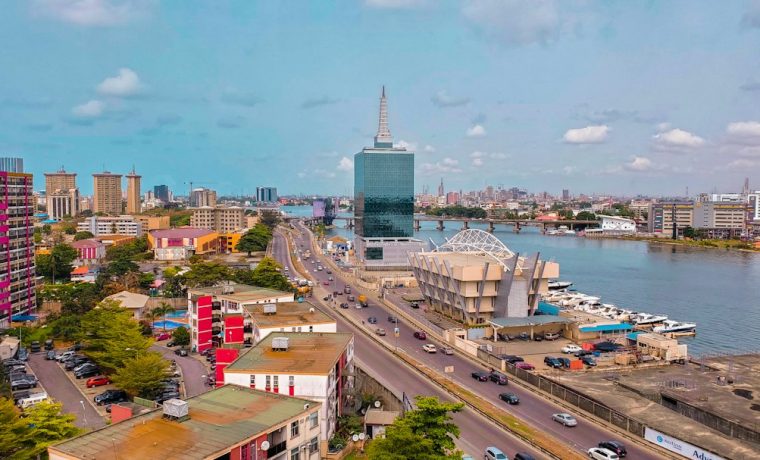

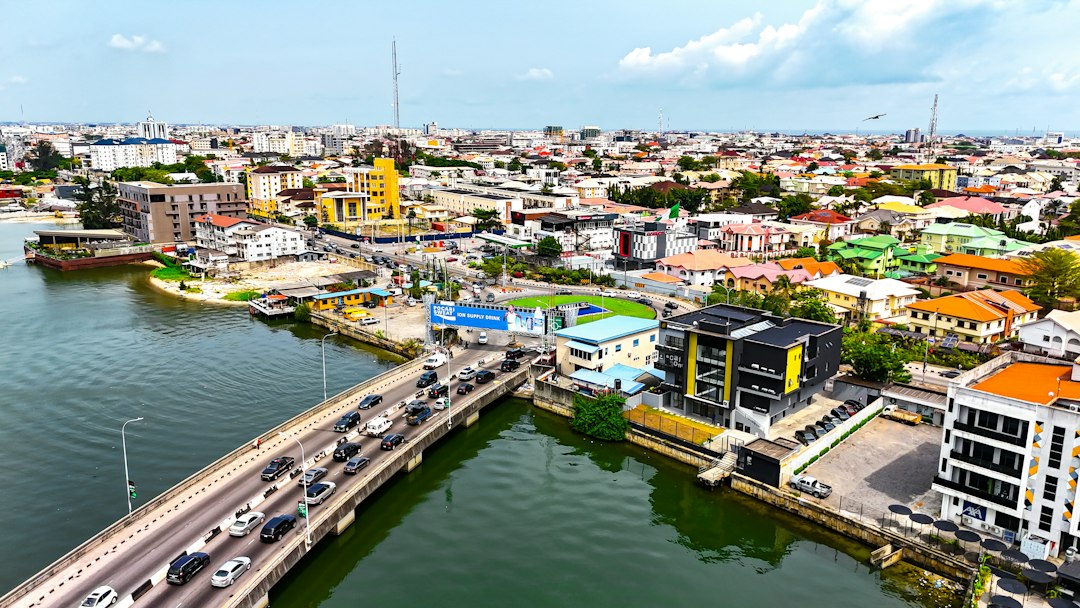
The Lagos–Calabar Coastal Highway is attracting attention from property developers who expect improved connectivity to open up parts of Nigeria’s coastline to new residential, hospitality and commercial projects. In Lagos, some developers are looking at coastal locations as potential destinations for premium homes, with the possibility that better road access could change how buyers view areas beyond established luxury districts.
Infrastructure can influence property demand, but it does not guarantee that every nearby plot will rise in value. Buyers should separate a confirmed construction milestone from a developer’s forecast and investigate the specific location before making a decision.
Why a major road can influence property demand
Reliable transport links can make a previously difficult journey easier, connect residential areas with employment and services, and encourage businesses to consider new locations. If travel times improve and supporting infrastructure follows, demand for housing, hospitality and commercial space may increase in selected areas.
However, the benefit is not automatic. A property’s value depends on the exact access point, local road network, utilities, planning rules, environmental conditions and the timing of infrastructure delivery. A home can be close to a major route yet remain inconvenient if the connecting roads are poor or access is restricted.
Check the actual route and access
Before buying, identify the precise location of the property and compare it with official project information. Ask how vehicles will reach the site, whether access roads are completed or only proposed, and whether construction could affect the immediate area. Visit the location at different times and test the route to workplaces, schools, healthcare and shopping.
Do not rely solely on a map pin or a sales agent’s estimate of future travel time. Road projects can change, construction may take longer than expected and traffic patterns may shift after completion.
Coastal and environmental due diligence
Coastal locations require particular attention to flooding, erosion, drainage, soil conditions and exposure to storms or tidal effects. Commission appropriate professional assessments and ask for credible information about the site’s elevation, drainage design and any relevant environmental approvals. A beautiful waterfront view does not remove the need to understand long-term environmental risks.
Check whether the land has lawful access, clear boundaries and a title that can be independently verified. Ask a lawyer to investigate any acquisition, right-of-way, setback or planning restrictions that may affect development. Use a qualified surveyor to confirm the parcel’s location and dimensions.
Be careful with off-plan promises
Developers may market a future coastal community around planned roads, marinas, leisure facilities or other amenities. Buyers should request approved plans, evidence of permits, construction schedules and a clear description of what is included in the purchase price. Separate facilities already delivered from those still proposed.
The contract should set out payment milestones, handover standards, completion obligations and what happens if the project changes or is delayed. Have an independent lawyer review the documents before transferring funds.
Assess the investment case without assuming appreciation
Investors should estimate the cost of holding the property, including service charges, security, maintenance, insurance where available and periods without tenants. If rental income is part of the plan, research demand from actual tenants rather than relying on projected short-let rates or promotional occupancy figures.
Consider whether the property could be resold if the expected infrastructure benefit takes longer to materialise. Land and luxury homes can be illiquid, particularly when the asking price is based on future expectations rather than established comparable transactions.
Questions to ask before committing
- Is the site’s title independently verified and are boundaries clear?
- What road access exists today, and what depends on future works?
- Have drainage, soil and environmental risks been assessed?
- Are planning approvals and environmental permissions in place?
- Which amenities are completed, funded or merely proposed?
- What are the full ownership costs and realistic resale options?
Opportunity depends on the details
The coastal highway may influence where developers look for future projects, but buyers should not treat proximity to infrastructure as a guarantee of value. The strongest decisions will be based on verified access, sound title, buildable land, credible approvals and a realistic financial plan.
Market context: Guardian Nigeria, “Developers hinge luxury property growth on coastal highway project,” 3 November 2026. Read the report.
This article is general information and not legal, environmental or investment advice.