
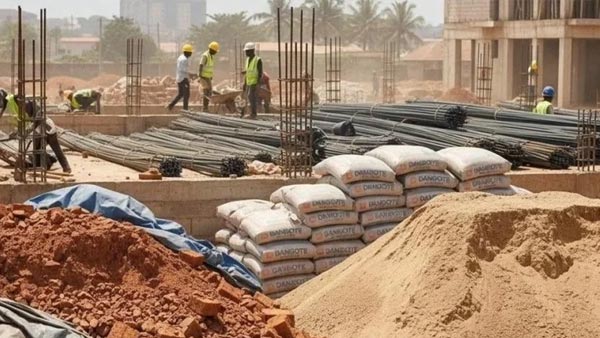
Nigeria’s real estate market faces a structural shift driven by soaring construction replacement costs. As raw material prices, transport logistics, and financing expenses remain high, the dynamics of homeownership and property development across major hubs like Lagos, Abuja, and Port Harcourt are rapidly evolving.
1. Higher Asking Prices for New Builds
With building materials such as cement, steel, and imported finishing items commanding premium rates, the cost per square meter for new developments has increased significantly. Developers are passing these replacement costs directly onto the market, raising listing prices for off-plan and newly completed residential properties.
2. Demand Shift Toward Existing Properties
Because newly constructed homes carry higher price tags, buyers and investors are increasingly targeting secondary (existing) properties. Completed homes built prior to recent material price spikes carry lower relative execution risk and offer better immediate value per square meter.
3. Growth in High-Density and Compact Layouts
To keep entry prices accessible, developers are pivoting away from large, sprawling detached units toward smaller, functional spaces. One- and two-bedroom apartments and compact townhouses are seeing the highest development momentum and strongest absorption rates in urban centers like Lagos and Abuja.
4. Pressure on Urban Rental Markets
As higher purchase prices push homeownership further out of reach for middle-income earners, tenant demand continues to intensify. Landlords are adjusting rent renewals upward to align with broader economic inflation and maintain positive real yields on their assets.
5. Expansion Into Infrastructure Corridors
High construction costs in central commercial districts are accelerating buyer interest in satellite locations. Outlying hubs connected by expanding transport networks—such as the Lekki-Epe expressway in Lagos or Lugbe in Abuja—are seeing increased activity as developers seek lower land acquisition costs to offset high building expenses.
Market Takeaway for Investors
In a high-cost environment, prioritizing cash flow, tenant demand, and location quality over pure land speculation remains key. Properties situated near core employment nodes and established transit routes continue to offer the most resilient rental yields and long-term capital stability.
Leave a Reply