
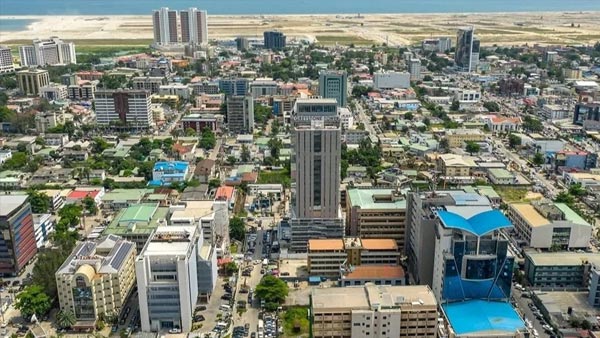
Property prices in Nigeria are experiencing persistent upward pressure, driven by a combination of macroeconomic shifts, rising construction costs, and structural housing shortages. While total transaction volumes fluctuate across regions, key economic and demographic forces continue to push nominal property values up.
Key Drivers of Nigerian Property Prices
- High Construction Replacement Costs: Building materials (such as cement, steel, and imported fittings), logistics, diesel, and developer financing costs have risen sharply. Because building a new structure is significantly more expensive today, existing inventory and new developments automatically command higher price tags to cover replacement costs.
- Inflation & Currency Hedge Demand: High national inflation and currency fluctuations lead investors to treat real estate—especially residential buy-to-let properties—as a reliable wealth-preservation vehicle. Local investors and the Nigerian diaspora actively acquire land and housing to hedge against broader economic volatility.
- Massive Urbanization & Housing Deficits: Rapid rural-to-urban migration in economic hubs like Lagos, Abuja, and Port Harcourt continues to outpace housing delivery. Millions of people migrate to major cities annually, creating intense demand for a limited supply of formal housing stock.
- Shift to Cash and Diaspora Capital: Because formal mortgage penetration in Nigeria remains very low, property transactions are largely cash-driven. Remittances and capital flows from Nigerians living abroad keep buy-side demand resilient, particularly in prime urban areas and emerging residential districts.
- Infrastructure Expansion Corridors: New transport networks, highway expansions, and industrial zones continue to push up land values in peripheral satellite towns (such as Lekki/Epe corridors in Lagos or Lugbe and Karsana in Abuja) as commuters seek affordable alternatives to congested city centers.
Primary Drivers vs. Price Impact
| Driver | Primary Impact on Market | Fast-Growing Property Types |
| Material Inflation | Directly raises developer asking prices per square meter | New off-plan developments & luxury builds |
| Diaspora / Cash Buying | Maintains strong price floors in top urban hubs | Prime land plots, luxury flats, & short-let units |
| Urban Migration | Drives up rental yields and tenant demand | 1- and 2-bedroom compact apartments & co-living |
| Infrastructure Development | Rapidly appreciates land values in emerging suburbs | Sub-urban land plots & satellite residential estates |
What This Means for Buyers and Investors
- Shift Toward Compact Units: Rising purchase prices mean high-yield investments are moving toward smaller, higher-density 1- and 2-bedroom apartments rather than large single-family homes.
- Prioritizing Cash-Flow Yields: Buyers are focusing less on short-term speculative land flipping and more on sustainable rental yields to offset holding costs and ongoing inflation.
- Suburban Corridor Opportunities: Because core commercial centers are hitting high price points, much of the capital growth opportunity is moving outward along documented infrastructure transit lines.
If you would like, I can break down price dynamics in specific regional markets (such as Lagos, Abuja, or Ibadan) or outline strategies for evaluating rental yields in the current market. Would you like to explore that?
Leave a Reply